Early 1950s

Building constructed
The building is constructed in central St Helier as a purpose-built cinema, reflecting post-war optimism and the growing popularity of film.

The building is constructed in central St Helier as a purpose-built cinema, reflecting post-war optimism and the growing popularity of film.

The Odeon Cinema opens on Bath Street with the world premiere screening of The Importance of Being Earnest (1952), a gala event that marked a significant moment in Jersey’s cultural life.

The single large auditorium is reconfigured into two cinema screens to reflect changing audience patterns and cinema operations.

Additional internal alterations create four separate auditoria – the larger screens 1 and 2 upstairs, with screens 3 and 4 downstairs.

The building is formally recognised for its architectural and historic significance, placing it among Jersey’s most protected heritage assets.
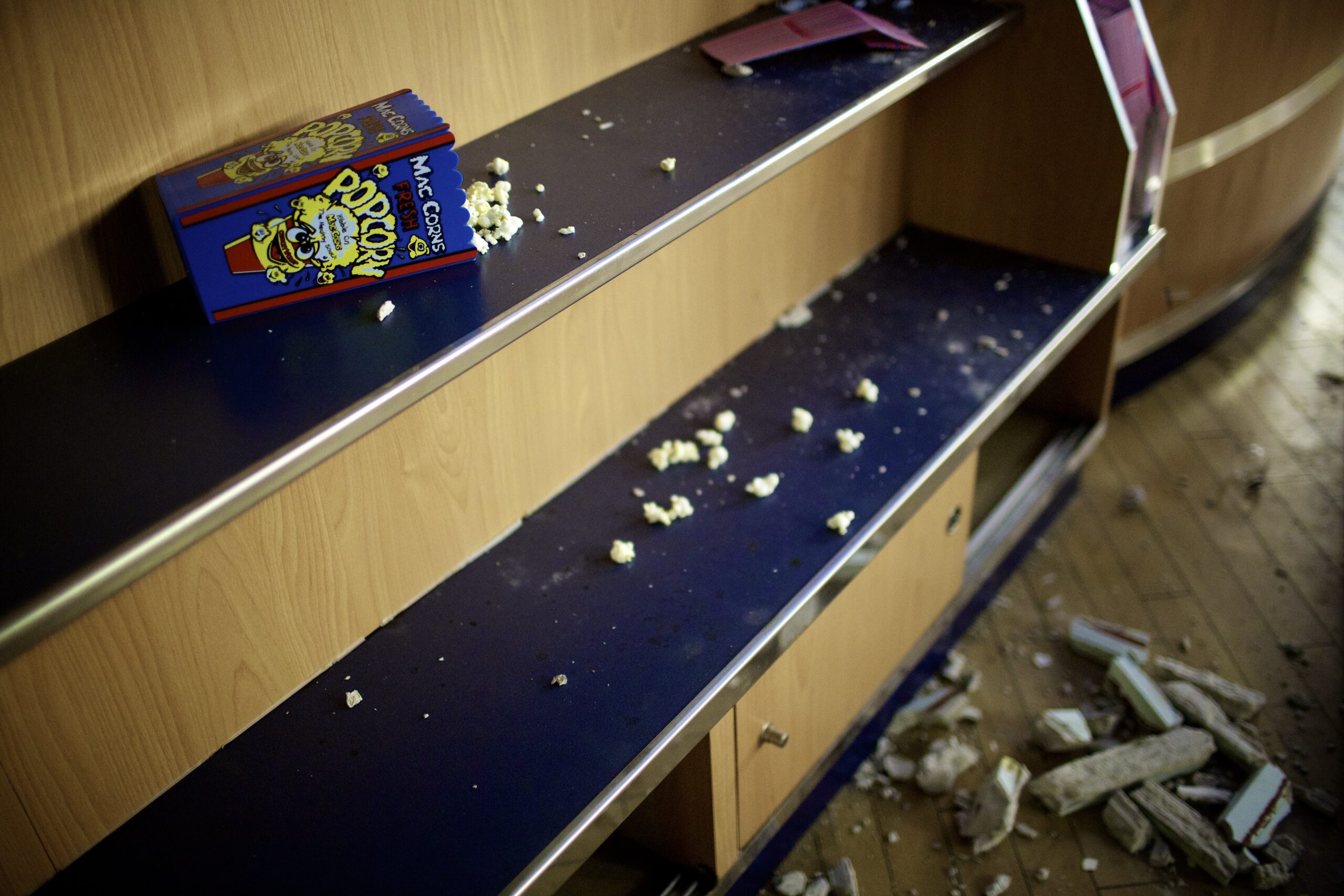
The Odeon cinema ceases operation, marking the end of its long chapter as a mainstream cinema venue.

Part of the building is briefly brought back into use as an independent cinema. Ongoing structural and fabric issues increasingly affect viability.

Following closure, the building stands unused. During this period, deterioration of the original roof leads to significant internal damage, rendering large parts of the building unusable.

The building is acquired and renamed the Freedom Centre, with a long-term vision to restore it and reopen it for public use.
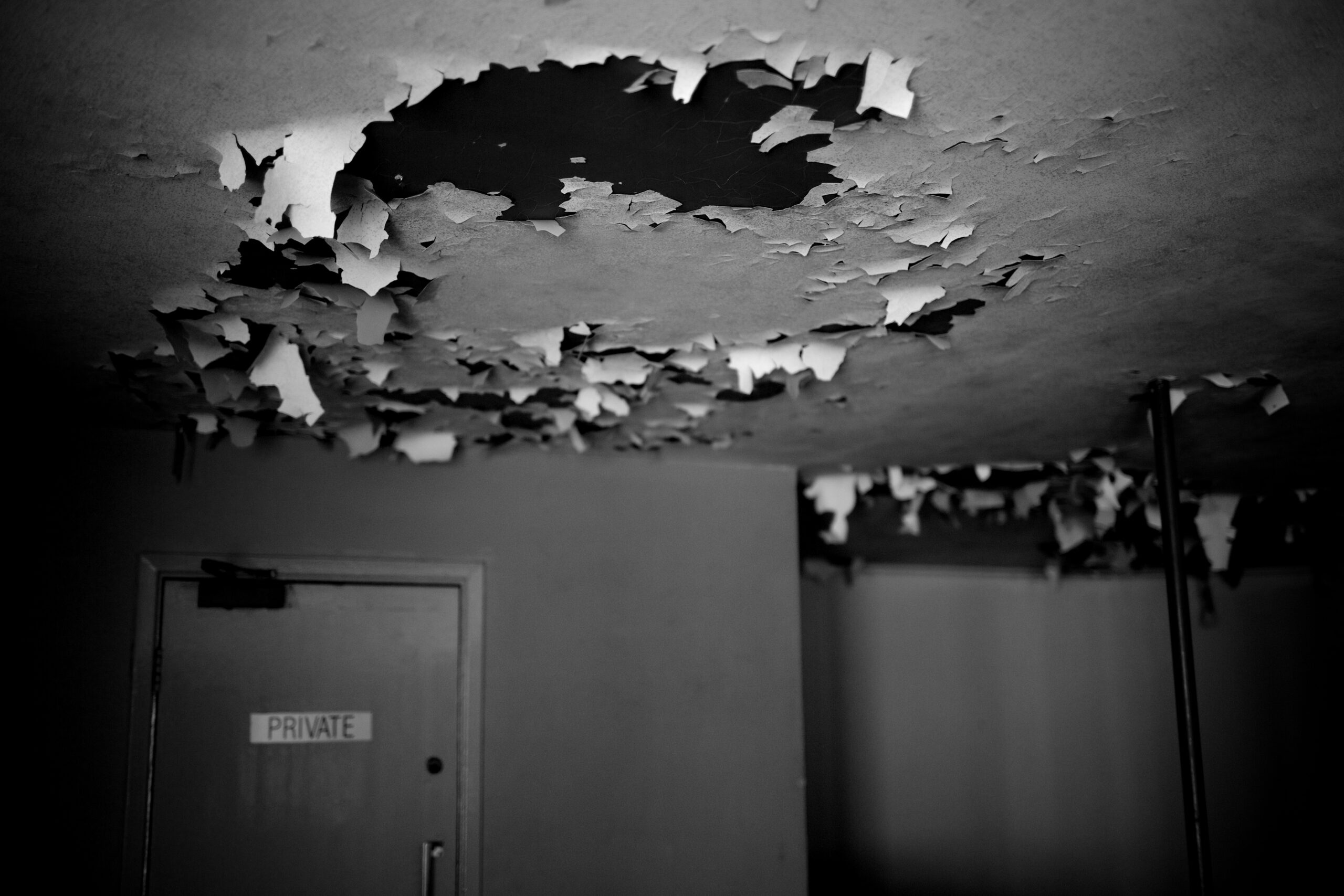
Early phases focused on making parts of the building safe and usable, informed by extensive building surveys and risk assessments. Works included strip-out, services replacement, and refurbishment of the ground-floor foyer, kitchen, and servery, allowing the building to reopen for limited public use.

One of the former cinema spaces is converted into a performance and events auditorium, allowing the building to reopen for public gatherings and cultural activity.
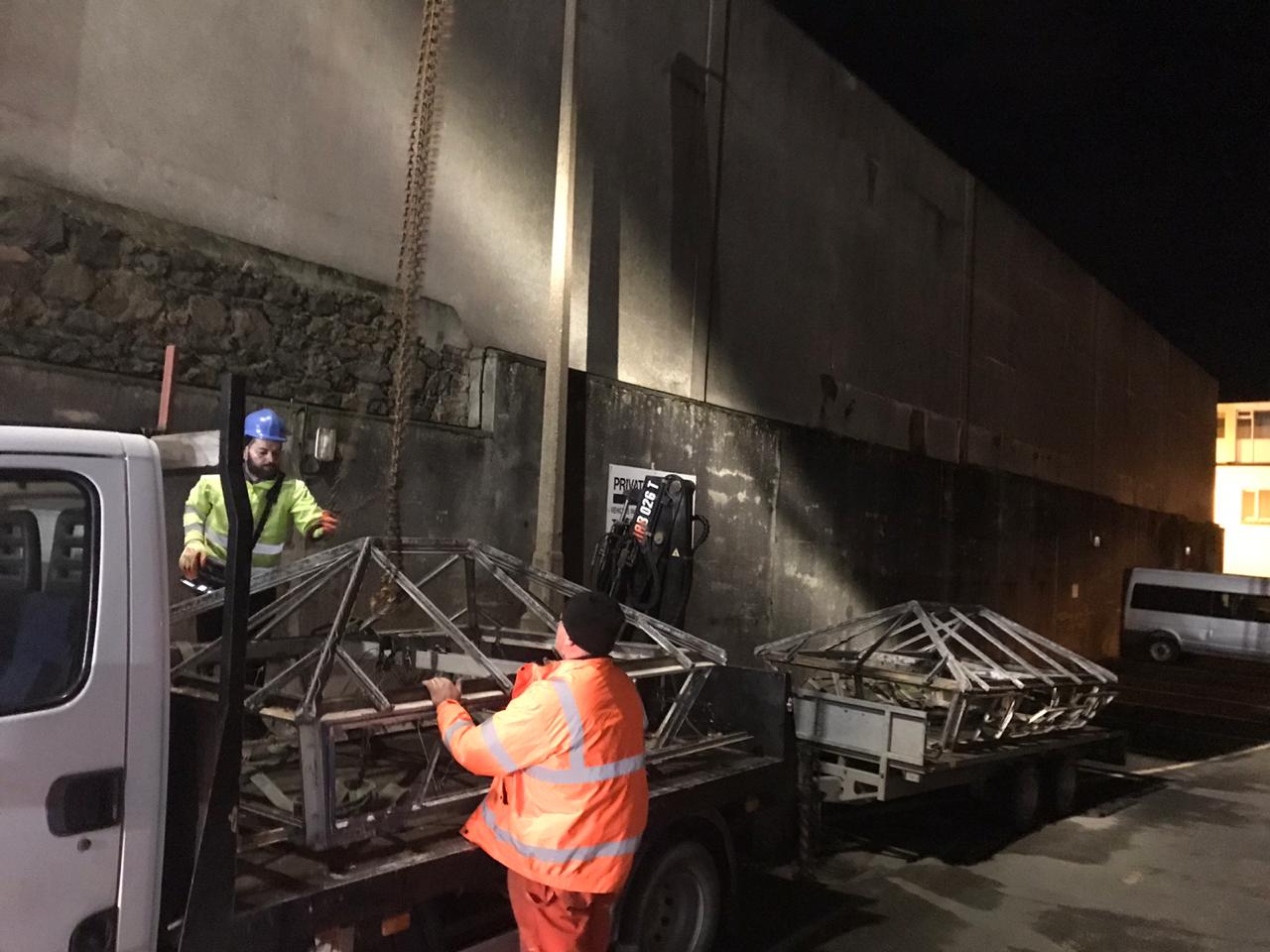
Extensive works were undertaken to secure the long-term future of the building, including replacement of the main roof, restoration of flat roof sections, and renovation of historic roof lanterns.
As part of this phase, licensed contractors carried out a major asbestos removal programme, with over 40 tonnes of asbestos-containing material safely removed. This work addressed long-standing safety issues and enabled further redevelopment of the building.
Planned development is delayed during the COVID-19 pandemic, affecting progress across the cultural and construction sectors.

Former cinema spaces are removed and combined to create a single, flat-floor, 450-seat auditorium, alongside new meeting rooms, refreshed public areas, and staff facilities.

The historic street-facing canopy is scheduled for restoration, including reinstatement of the original ball-and-wave decorative detailing above the south-facing windows.
Sympathetic external lighting will be introduced to enhance the building’s presence on Bath Street while respecting its heritage character.
The Freedom Centre continues to evolve, with a long-term commitment to maintaining the building, improving facilities, and supporting cultural and community life in Jersey.
